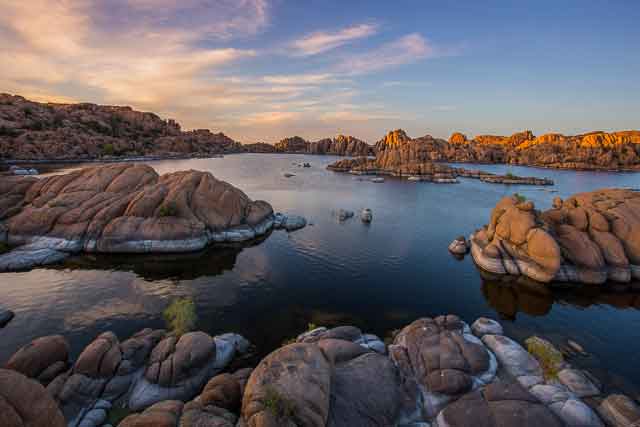
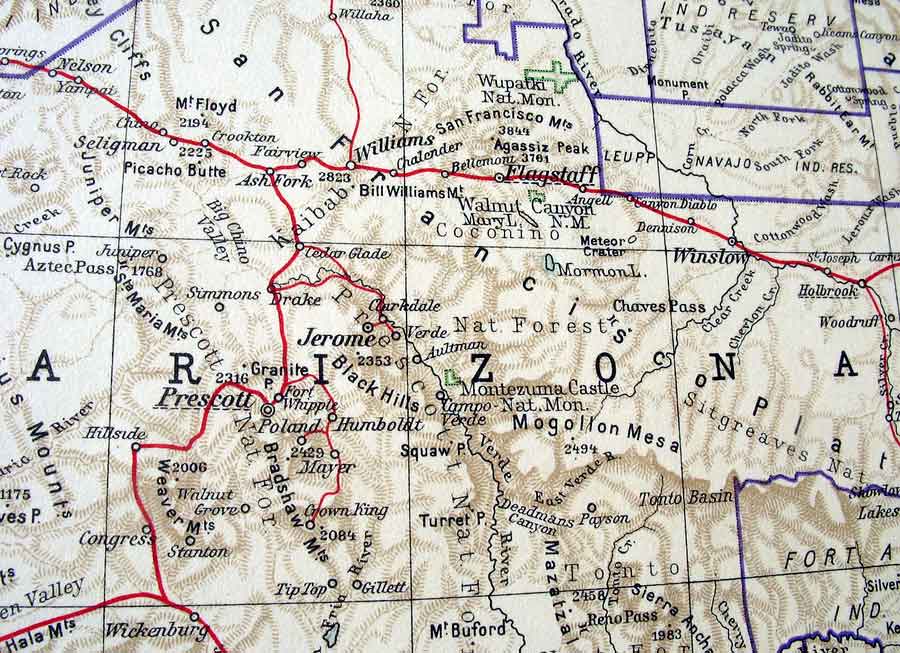
Prescott, Arizona enjoys four distinct seasons thanks to its location in Arizona's central highlands at an elevation of about 5,200 feet. Summers are considerably cooler than Phoenix, fall brings crisp days and changing leaves, winter can deliver snow, and spring is generally mild with cool mornings and comfortable afternoons.
That variety is part of Prescott's appeal, but it also means visitors should pack differently than they would for Arizona's lower-desert destinations. Temperatures can change significantly between daytime and nighttime, and conditions can shift quickly during summer thunderstorms and winter storms.
Summer daytime highs generally reach the 80s, while winter days are commonly in the 50s. July and August bring the greatest chance of summer thunderstorms, and freezing nighttime temperatures are common during winter. Spring and fall typically offer some of the most comfortable weather for hiking, sightseeing and exploring downtown.
Prescott Weather by Season
Spring Weather in Prescott
March through May brings gradually warmer days, cool nights and generally dry conditions to Prescott. Average highs climb from around 59°F in March to the mid-70s by May.
Spring is an excellent time for hiking, mountain biking, exploring the Granite Dells and walking around downtown Prescott. Early spring can still feel chilly, particularly in the morning and after sunset, while late spring begins to feel noticeably warmer.
- March: Average high around 59°F; average low around 30°F
- April: Average high around 66°F; average low around 35°F
- May: Average high around 74°F; average low around 43°F
What to pack: Bring layers. A light or medium jacket is useful for mornings and evenings, along with comfortable walking or hiking shoes. Sunscreen is important even when temperatures feel cool.
Summer Weather in Prescott
June through September is warm but much milder than summer in Phoenix and Arizona's lower deserts. June is typically hot and dry, while July and August bring Arizona's summer monsoon pattern and a greater chance of afternoon and evening thunderstorms.
Average summer highs generally stay in the 80s, with July typically the warmest month at around 88°F. Nights cool considerably, which makes mornings and evenings particularly pleasant.
- June: Average high around 85°F; average low around 51°F
- July: Average high around 88°F; average low around 59°F
- August: Average high around 85°F; average low around 57°F
- September: Average high around 80°F; average low around 50°F
Summer is popular for kayaking at Watson Lake, visiting Lynx Lake, hiking, mountain biking and escaping the extreme heat of the Phoenix area.
Don't assume a sunny morning means an entirely dry day. Thunderstorms can develop quickly during the summer monsoon season. Hikers, cyclists and lake visitors should check the forecast and keep an eye on developing clouds, particularly during the afternoon.
Fall Weather in Prescott
September through November is one of the most comfortable times to visit Prescott. Warm September afternoons gradually give way to crisp October weather and much colder nights by November.
- September: Average high around 80°F; average low around 50°F
- October: Average high around 71°F; average low around 39°F
- November: Average high around 60°F; average low around 28°F
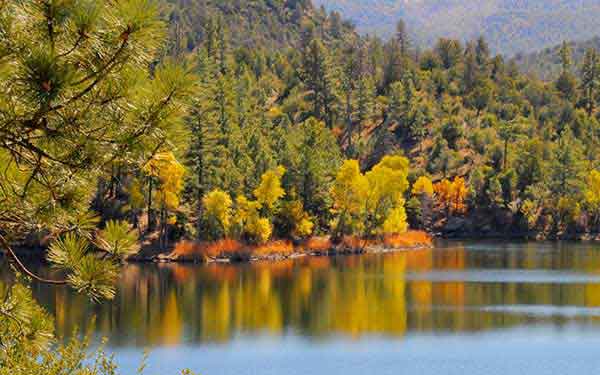
Fall is particularly good for hiking, mountain biking, scenic drives and exploring Prescott National Forest. Seasonal color can appear around Prescott's lakes, creeks and higher-elevation forest areas as temperatures cool.
By November, freezing nighttime temperatures become increasingly possible, so late-fall visitors should arrive prepared for colder mornings and evenings.
What to pack: Layers are the key. A T-shirt or light shirt may be comfortable during a sunny afternoon, while a jacket can be necessary after sunset.
Winter Weather in Prescott
December through February brings cold nights, cool sunny days and occasional snow to Prescott.
Unlike Phoenix, Prescott experiences a true winter. Average daytime highs remain around the low 50s, while average nighttime temperatures fall into the 20s.
- December: Average high around 51°F; average low around 23°F
- January: Average high around 51°F; average low around 22°F
- February: Average high around 54°F; average low around 25°F
Snowstorms can temporarily transform downtown, the Granite Dells and the surrounding ponderosa pine forest, but snow does not necessarily remain on the ground throughout winter.
Winter is also an important part of Prescott's tourism season because the city is known as Arizona's Christmas City, with holiday events centered around Courthouse Plaza.
What to pack: Bring warm layers, a winter jacket and footwear with good traction. If snow is in the forecast, prepare for icy sidewalks, trails and roads.
Average Monthly Temperatures in Prescott
| Month | Average High | Average Low | Typical Conditions |
|---|---|---|---|
| January | 51°F | 22°F | Cold nights, sunny days, possible snow |
| February | 54°F | 25°F | Cool with possible winter storms |
| March | 59°F | 30°F | Cool and increasingly mild |
| April | 66°F | 35°F | Mild days and cool nights |
| May | 74°F | 43°F | Warm and generally dry |
| June | 85°F | 51°F | Warm, sunny and dry |
| July | 88°F | 59°F | Warm with monsoon thunderstorms |
| August | 85°F | 57°F | Warm with monsoon thunderstorms |
| September | 80°F | 50°F | Warm days and cooler nights |
| October | 71°F | 39°F | Mild days and crisp nights |
| November | 60°F | 28°F | Cool with freezing nights possible |
| December | 51°F | 23°F | Cold with possible snow |
Temperatures are historical averages and should be used for trip planning rather than as a forecast. Actual conditions can vary considerably from year to year.
Use the Weather to Plan Your Prescott Day
Prescott's elevation and seasonal weather can change which activities make the most sense.
- Hiking: Check trail conditions after winter storms and before summer monsoon activity.
- Kayaking & paddleboarding: Wind and thunderstorms can strongly affect lake conditions.
- Mountain biking: Avoid muddy trails after storms.
- Rock climbing: Wet granite, lightning and winter ice can make climbing unsafe.
- Weekend in Prescott: Use indoor museums and historic attractions when outdoor conditions are poor.
When Is the Best Time to Visit Prescott?
There isn't one best month for everyone. The right time to visit depends on what you want to do.
- Best for hiking: April through May and September through October generally offer comfortable daytime temperatures.
- Best for lake activities: Late spring through early fall.
- Best for escaping Phoenix heat: Summer, when Prescott is considerably cooler than Arizona's lower desert.
- Best for fall weather: October brings cooler temperatures and seasonal color.
- Best for holiday events: December, when downtown Prescott celebrates its Arizona's Christmas City traditions.
- Best for fewer crowds: Parts of late winter and early spring can be quieter outside major events and holiday weekends.
For visitors primarily interested in outdoor recreation, spring and fall provide an especially good balance of comfortable temperatures and access to Prescott's trails, lakes and forests.
How Hot Does Prescott Get in Summer?
Prescott's summer weather is one of the reasons the city has long been a popular escape from Phoenix.
Average highs reach the mid-to-upper 80s during June, July and August rather than the triple-digit temperatures common in Arizona's lower deserts.
That does not mean summer hiking should be treated casually. Prescott's elevation, strong sunshine and dry air can contribute to dehydration, and exposed trails can feel considerably warmer during the middle of the day.
For hiking and mountain biking, mornings are generally preferable during the warmest months.
What Is Monsoon Season Like in Prescott?
Arizona's official monsoon season runs from June 15 through September 30, although northern Arizona often does not experience a consistent influx of monsoon moisture until around July.
In Prescott, monsoon weather typically means periods of sunshine interrupted by scattered afternoon or evening thunderstorms rather than continuous rainy days.
Storms can produce:
- Heavy rain
- Lightning
- Strong wind
- Small hail
- Localized flooding
- Rapid temperature changes
Lightning is particularly important for hikers, paddlers, cyclists and anyone spending time in exposed areas.
If thunderstorms are forecast, consider scheduling outdoor activities earlier in the day and keep flexible afternoon plans.
Does It Snow in Prescott?
Yes. Prescott receives snow during winter, although conditions vary considerably from one storm and one year to another.
The city's elevation of roughly 5,200 feet means winter storms can produce accumulating snow and icy conditions. Temperatures can also fall below freezing overnight even when the previous afternoon was sunny.
Snow can affect travel on highways leading into Prescott as well as mountain roads around the city. If you're visiting during a winter storm, check current road and weather conditions before driving.
See our directions to Prescott guide if you're driving from Phoenix, Flagstaff, Sedona or another Arizona destination.
Is Prescott Cooler Than Phoenix?
Yes, particularly during summer.
Prescott sits more than 5,000 feet above sea level, while Phoenix lies in the much lower Sonoran Desert. The elevation difference gives Prescott noticeably cooler temperatures, especially overnight.
That makes Prescott a popular summer road-trip destination for Phoenix-area residents looking for hiking, kayaking, camping and outdoor dining without the lower desert's extreme heat.
Even during summer, however, visitors should bring a light layer for evenings and early mornings.
What to Pack for Prescott
Prescott's elevation makes layers useful during almost every season.
Spring
- Light jacket or fleece
- Short- and long-sleeve shirts
- Comfortable hiking or walking shoes
- Sunscreen and sunglasses
- Light rain layer
Summer
- Lightweight clothing
- Sun hat and sunscreen
- Plenty of water for outdoor activities
- Comfortable hiking shoes
- Light rain jacket during monsoon season
- Light layer for cooler evenings
Fall
- Layered clothing
- Light or medium jacket
- Hiking or walking shoes
- Warmer clothing for late-fall evenings
Winter
- Warm jacket
- Layers
- Hat and gloves during colder weather
- Water-resistant shoes or boots
- Footwear with good traction when snow or ice is possible
How Weather Affects Things to Do in Prescott
Prescott's seasons can change which activities make the most sense during your visit.
Warm, dry days are excellent for exploring Watson Lake, hiking, biking and visiting the Granite Dells.
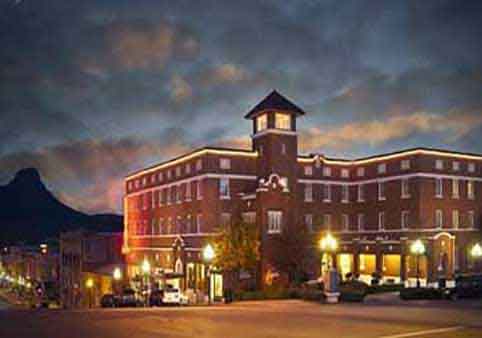
Hot summer afternoons are a good time to explore shops, restaurants, museums and Whiskey Row, particularly when thunderstorms are developing.
Cool fall weather is ideal for hiking, scenic drives and outdoor events.
Winter can bring beautiful snow-covered scenery, but trail conditions and road access should be checked before heading into the forest.
For more ideas, browse our things to do in Prescott and Prescott outdoor recreation guides.
Historical averages tell you what Prescott's climate is generally like, not what the weather will be during your visit. Check the current forecast before hiking, boating, driving into the mountains or planning other weather-dependent activities.
Prescott Weather FAQ
What is the weather like in Prescott, Arizona?
Prescott has four distinct seasons because of its elevation of roughly 5,200 feet. Summers are warm with cool nights, fall is mild and crisp, winters can bring freezing temperatures and snow, and spring gradually warms from cool March weather into mild conditions by May.
What is the hottest month in Prescott?
July is typically Prescott's warmest month, with an average high around 88°F and an average low around 59°F.
What is the coldest month in Prescott?
January is typically one of Prescott's coldest months, with an average high around 51°F and an average low around 22°F.
Does Prescott get snow?
Yes. Prescott receives winter snowfall, and snow can occasionally accumulate enough to affect roads, trails and travel. Snowfall varies significantly from storm to storm and year to year.
When is monsoon season in Prescott?
Arizona's official monsoon season runs from June 15 through September 30. In Prescott and northern Arizona, the more active thunderstorm pattern typically becomes noticeable during July and August.
Is Prescott cooler than Phoenix?
Yes. Prescott's elevation of more than 5,000 feet gives it substantially cooler summer temperatures than Phoenix and Arizona's lower deserts.
What are summers like in Prescott?
Prescott summers are warm, with average daytime highs generally in the 80s. June tends to be dry, while July and August have a greater chance of afternoon and evening thunderstorms associated with the Arizona monsoon.
What are winters like in Prescott?
Winter days are often cool and sunny, while nighttime temperatures frequently fall below freezing. Snow is possible from late fall through early spring, with the greatest winter-weather potential generally occurring from December through February.
What is the best time of year to visit Prescott?
Spring and fall are excellent for hiking, sightseeing and outdoor recreation because temperatures are generally comfortable. Summer is popular with visitors escaping the Phoenix heat, while December is especially popular for Prescott's holiday events.