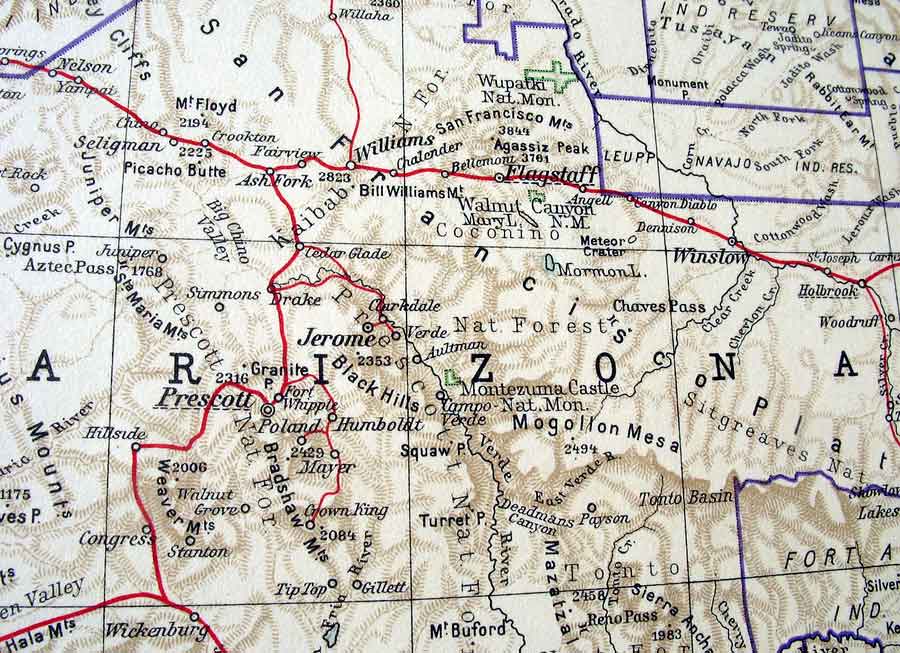
Prescott is a mountain destination in Arizona's Central Highlands, combining a walkable historic downtown with lakes, ponderosa pine forest, hiking trails and a strong Old West identity. At roughly 5,200 feet in elevation, Prescott also has four distinct seasons, making trip planning different from lower-desert destinations such as Phoenix.
Most first-time visitors should begin around Courthouse Plaza and Whiskey Row, then build the rest of the trip around outdoor recreation, museums, seasonal events and nearby day trips.
Stay near downtown if walkability matters most. Allow at least two days if you want to combine Whiskey Row and Courthouse Plaza with Watson Lake, hiking or another outdoor activity.
Prescott at a Glance
- Location: Central Arizona in Yavapai County
- Elevation: Approximately 5,200 feet
- Historic significance: Founded in 1864 as Arizona's territorial capital
- Downtown center: Yavapai County Courthouse Plaza and Whiskey Row
- Landscape: Ponderosa pine forest, granite formations, lakes and mountain terrain
- Known for: Old West history, outdoor recreation, the World's Oldest Rodeo and Arizona's Christmas City traditions
Where to Start in Prescott
Historic Downtown & Whiskey Row
Downtown Prescott is the easiest place to get oriented. Courthouse Plaza anchors the historic district, with restaurants, shops, galleries and historic buildings surrounding the square.
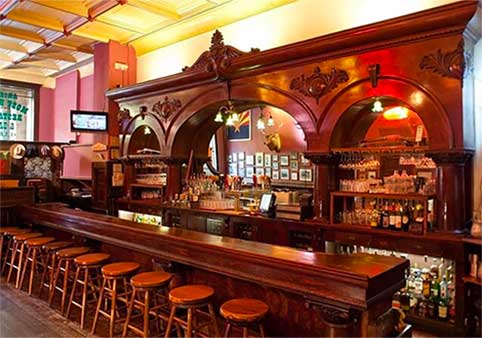
Along Montezuma Street, Whiskey Row preserves one of Prescott's best-known connections to its territorial and Old West past while functioning today as a dining, shopping and nightlife district.
Because the downtown core is compact, visitors can park once and explore much of the area on foot.
Watson Lake & the Granite Dells
If you want to understand why Prescott feels different from many other Arizona cities, visit Watson Lake. The lake sits among the rounded granite formations of the Granite Dells and is popular for hiking, paddling and photography.
Other nearby recreation areas include Lynx Lake, Goldwater Lake and Willow Lake. Compare them in our Prescott lakes guide.
Getting to Prescott
Most visitors arrive by car from Phoenix, Flagstaff or another Arizona destination. Prescott is connected to the Phoenix metropolitan area primarily through State Route 69 and Interstate 17.
For routes and regional driving information, see our directions to Prescott guide.
Prescott also has commercial air service through Prescott Regional Airport. Travelers flying into Phoenix Sky Harbor can drive to Prescott, rent a car or use scheduled airport transportation.
Do You Need a Car in Prescott?
Not necessarily for a downtown-focused trip. Courthouse Plaza, Whiskey Row, restaurants, galleries and several historic attractions are within a relatively compact area.
A car becomes much more useful if you want to visit:
- Watson Lake
- Lynx Lake
- Goldwater Lake
- Thumb Butte
- Prescott National Forest
- Trailheads outside downtown
- Prescott Valley
- Jerome, Cottonwood or Sedona
If minimizing driving is important, compare hotels near Whiskey Row.
Where to Stay
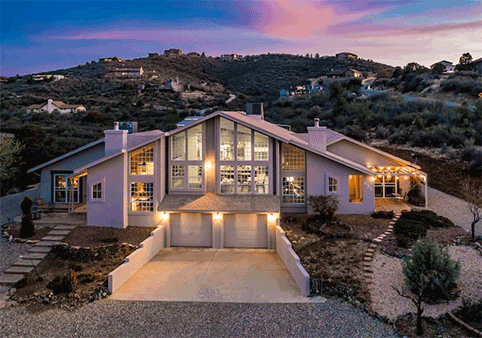
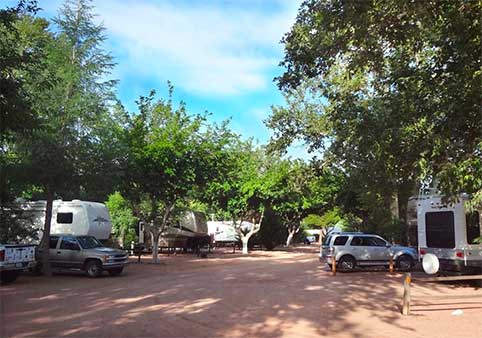
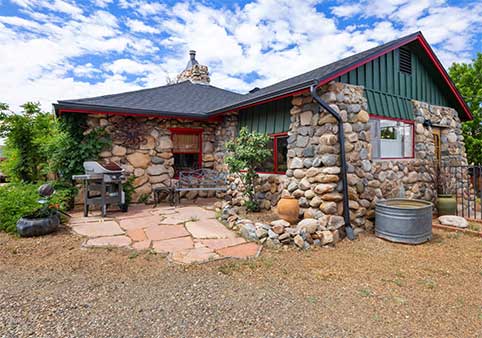
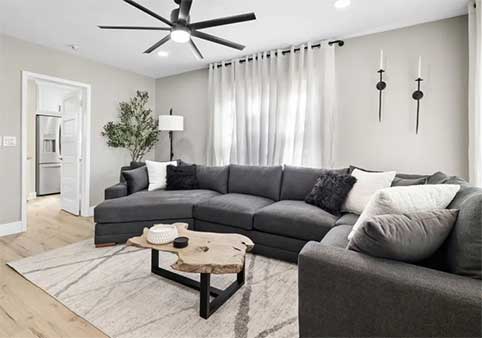
Prescott lodging ranges from historic downtown hotels and motels to cabins, vacation rentals, RV parks and campgrounds.
- Downtown: Best for walking to restaurants, nightlife and events
- Outside downtown: Useful for easier road access and travelers spending more time outdoors
- Cabins and vacation rentals: Good for families, groups and travelers wanting more living space
- RV parks and campgrounds: Best for longer outdoor stays and road trips
Start with our Prescott hotels guide or compare additional lodging in our where to stay in Prescott guide.
Prescott Weather & What to Pack
Prescott's elevation gives it a true four-season climate. Visitors should not pack for Prescott as though they were visiting Phoenix.
- Spring: Mild days are common, but mornings and evenings can remain cool.
- Summer: Cooler than Arizona's lower deserts, with afternoon monsoon thunderstorms possible.
- Fall: Comfortable days and increasingly cool nights.
- Winter: Freezing temperatures and snow are possible.
Layers are useful throughout much of the year. Outdoor travelers should also bring sun protection and plenty of water.
Use our Prescott weather guide for seasonal planning, then check the current forecast shortly before your trip.
Best Things to Do in Prescott
A first Prescott trip usually works best when you combine downtown with at least one outdoor experience.
- Walk Courthouse Plaza and Whiskey Row
- Explore Watson Lake and the Granite Dells
- Hike Thumb Butte or another Prescott trail
- Visit Sharlot Hall Museum or another cultural attraction
- Spend time at Lynx, Goldwater or Willow Lake
- Bike or walk the Peavine Trail
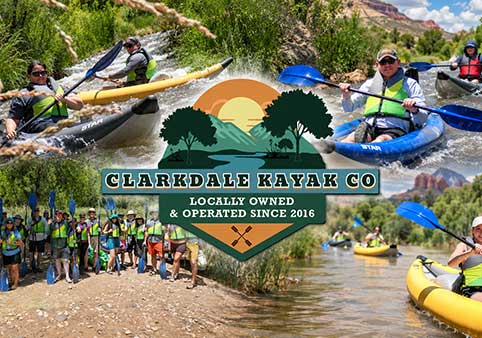
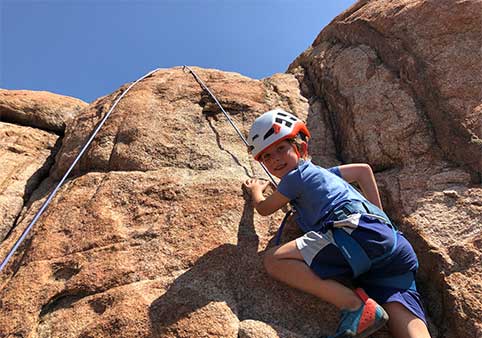
- Take a guided outdoor adventure or tour
- Attend a festival, rodeo or seasonal event
Browse our things to do in Prescott and Prescott attractions guides for more ideas.
Major Prescott Events
Events can significantly affect both the atmosphere of your trip and lodging availability.
Some of Prescott's signature annual traditions include:
- Prescott Frontier Days & the World's Oldest Rodeo: Centered around the Independence Day period
- Prescott Bluegrass Festival: A major downtown music weekend
- Western art and cultural festivals: Held throughout the warmer months
- Christmas in Prescott: Holiday events beginning around Thanksgiving and continuing through New Year's Eve
Check the Prescott events calendar before choosing your travel dates.
Major rodeo, festival and Christmas weekends can increase lodging demand and temporarily change downtown traffic and parking. If an event is the main reason for your visit, book accommodations early.
How Long Should You Stay?
One Day
Visit Watson Lake in the morning, have lunch downtown and spend the afternoon and evening around Courthouse Plaza and Whiskey Row.
Two Days
Add a hike, museum, Peavine Trail ride or another lake to the basic downtown and Watson Lake itinerary.
Three Days or More
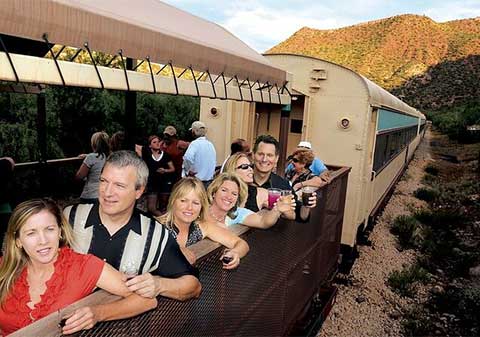
Use the additional time for Prescott National Forest, a guided adventure or a day trip from Prescott to Jerome, Cottonwood, the Verde Valley or Sedona.
A Little Prescott History
Prescott was established in 1864 as the capital of the newly organized Arizona Territory. The territorial capital later moved to Tucson, returned to Prescott and eventually moved permanently to Phoenix.
That history remains visible around downtown, at Sharlot Hall Museum and along Whiskey Row. Prescott's later development was shaped by mining, ranching, commerce and its position as a regional center in Arizona's Central Highlands.
You don't need a history lesson before visiting, but knowing that Prescott predates Arizona statehood helps explain why its downtown feels different from many newer communities in the state.
Prescott Visitor Information FAQ
What is Prescott, Arizona known for?
Prescott is known for historic Whiskey Row and Courthouse Plaza, Arizona territorial history, the World's Oldest Rodeo, the Granite Dells, nearby lakes and extensive outdoor recreation.
What elevation is Prescott?
Prescott sits at approximately 5,200 feet above sea level, giving the area cooler temperatures and more distinct seasons than Arizona's lower deserts.
How many days should you spend in Prescott?
Two to three days is a useful amount of time for a first visit. That allows time for downtown, Watson Lake, a hike or museum and another outdoor activity without rushing.
Do you need a car in Prescott?
Downtown Prescott is walkable, but a car is useful for visiting lakes, trailheads, Prescott National Forest and destinations outside the historic center.
What is the best time of year to visit Prescott?
Prescott can be visited year-round. Spring and fall are excellent for outdoor activities, summer attracts visitors escaping lower-desert heat, and winter brings holiday events along with the possibility of snow.
Is Prescott a good base for Northern Arizona day trips?
Yes. Jerome, Cottonwood and the Verde Valley are easy day trips, while Sedona can also be visited as a full-day excursion from Prescott.