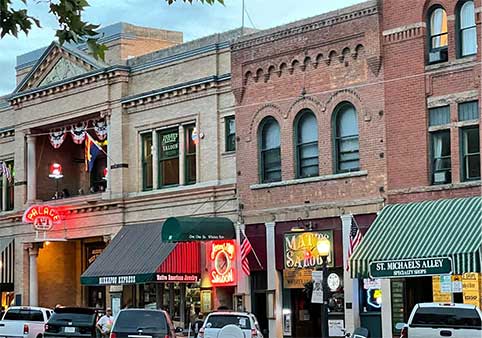
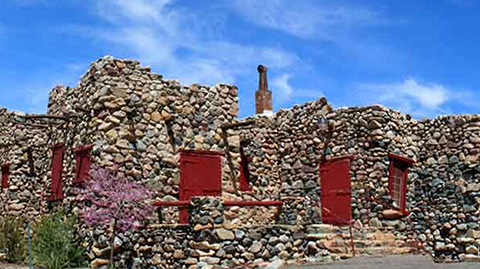
Prescott's museums and galleries add history, Western art and contemporary creativity to a trip that might otherwise revolve around lakes and trails. Visitors can explore Arizona's territorial past at Sharlot Hall Museum, Indigenous cultures at the Museum of Indigenous People, Western art at the Phippen Museum, then spend time browsing galleries around Whiskey Row and Courthouse Plaza.
Choose Sharlot Hall Museum for territorial and Prescott history, Phippen Museum for Western art and cowboy heritage, Museum of Indigenous People for Indigenous cultures and art, or Fort Whipple for military and veterans' history.
The Phippen Museum focuses on Western art and cowboy heritage, making it a natural companion to Prescott's broader Western culture and history guides.
Best Museums in Prescott
Sharlot Hall Museum
Best for: Prescott history and Arizona's territorial era
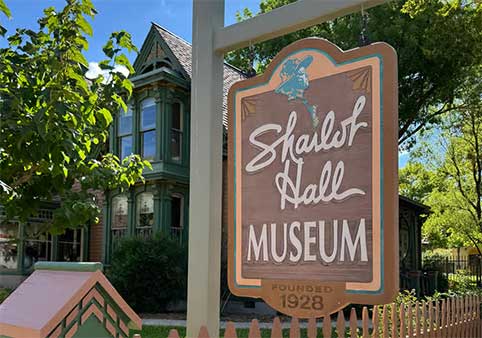
Located near downtown at 415 W. Gurley Street, Sharlot Hall Museum is the best starting point for understanding Prescott's early history. Its campus combines exhibits with historic buildings, including the 1864 Governor's Mansion, rather than functioning as a single indoor gallery.
- Arizona territorial history
- Historic buildings and artifacts
- Living-history programs and seasonal events
- Easy to combine with downtown Prescott
Sharlot Hall Museum
Best for: Prescott history, Arizona territorial history and historic buildings
Sharlot Hall Museum is the best starting point for visitors who want to understand Prescott's role as Arizona's first territorial capital. The museum campus centers on the 1864 Governor's Mansion and includes multiple historic buildings and exhibit spaces.
For more local background, explore our Prescott history guide.
Museum of Indigenous People
Best for: Indigenous art, archaeology and cultures of the Southwest
The Museum of Indigenous People presents exhibits, art and cultural objects connected with Indigenous peoples of the Southwest. The museum was formerly known as the Smoki Museum, so visitors may still see that older name in guidebooks and online references. It is currently open Monday through Saturday and closed Sunday.
- Pottery, basketry, textiles and jewelry
- Changing exhibits and cultural programs
- Workshops and special events
- Located close to central Prescott
See our Museum of Indigenous People guide for more detail.
Phippen Museum
Best for: Western art, cowboy culture and collectors
The Phippen Museum focuses on the art and heritage of the American West through painting, sculpture and changing exhibitions. The museum is named for George Phippen, a Western artist and founding member of the Cowboy Artists of America. It is located north of downtown, so plan to drive rather than include it in a walking tour.
- Western paintings and sculpture
- Cowboy and ranching themes
- Changing exhibitions
- Annual Western Art Show & Sale
Museum visitors interested in experiencing Prescott history outside gallery walls should also explore Courthouse Plaza, Whiskey Row and our broader Prescott history guide.
Downtown Galleries & Art Walk
Prescott's art scene extends beyond its museums. Galleries around Courthouse Plaza, Whiskey Row and nearby downtown streets feature Western art, contemporary painting, sculpture, jewelry, ceramics, glass and other work by local and regional artists.
Established galleries include Arts Prescott Cooperative Gallery, Van Gogh's Ear Gallery, Ian Russell Gallery of Fine Art and the Mountain Artists Guild.
Prescott 4th Friday Art Walk
Prescott's monthly 4th Friday Art Walk is one of the easiest ways to experience several galleries in one evening. Participating galleries present changing exhibits and special events, with evening programming beginning around 5 p.m.
- Explore several downtown galleries in one evening
- See rotating exhibitions and artist receptions
- Combine gallery browsing with dinner or drinks downtown
- Walk between many participating locations
Use our Whiskey Row guide to explore more of downtown, or browse Prescott restaurants if you want to add lunch or dinner.
Continue Exploring Prescott History
The Phippen Museum tells the Western art and ranching side of Prescott's story. For a more complete picture, pair it with:
- Sharlot Hall Museum: Arizona territorial history and Prescott's early development.
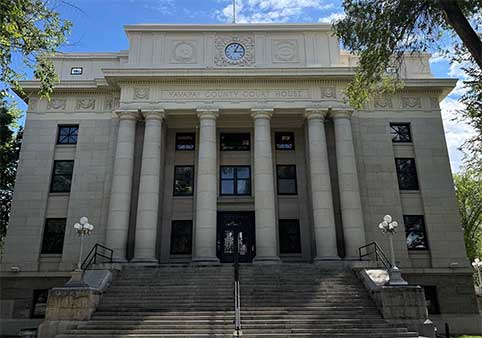
- Courthouse Plaza: Prescott's historic civic center.
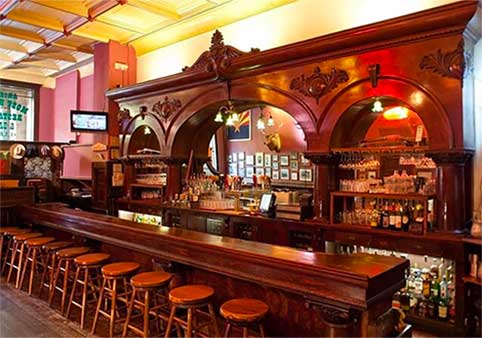
- Whiskey Row: Old West commerce, saloons and downtown history.
- Museum of Indigenous People: Indigenous cultures and art of the Southwest.
- Fort Whipple: Military and veterans' history.
Compare all of Prescott's major cultural attractions in our museums and art guide.
Plan a Prescott Museum & Art Day
- Morning: Choose Sharlot Hall Museum, the Museum of Indigenous People or the Phippen Museum.
- Lunch: Head downtown for a meal near Courthouse Plaza.
- Afternoon: Browse galleries around Whiskey Row and nearby streets.
- Evening: If your visit falls on a fourth Friday, stay downtown for the Art Walk.
Prescott also hosts art markets and cultural events during the year, including the Prescott Indian Art Market at Sharlot Hall Museum. Event dates change, so check the Prescott events calendar before planning around a specific festival or exhibition.
For more ideas, browse things to do in Prescott and Prescott attractions.
Museum hours, admission prices, gallery schedules and temporary exhibitions can change. Check current information directly with the museum or gallery before traveling.
Prescott Museums & Art Galleries FAQ
What are the main museums in Prescott?
Three of Prescott's principal museums are Sharlot Hall Museum, the Museum of Indigenous People, and the Phippen Museum. They focus on territorial and regional history, Indigenous cultures and art, and Western art, respectively.
Is the Smoki Museum still open?
Yes, but it now operates as the Museum of Indigenous People. Older travel materials may still use the former Smoki Museum name.
Where are most Prescott art galleries?
Many galleries are concentrated around historic downtown, Whiskey Row, Montezuma Street and the Courthouse Plaza area.
Does Prescott have an art walk?
Yes. Prescott's 4th Friday Art Walk takes place monthly, with participating galleries offering exhibitions, receptions and other programming.