Sedona is one of Arizona's most distinctive destinations, known for towering red rock formations, Oak Creek, hundreds of miles of trails, art galleries, and a thriving wellness community. From Prescott, it makes an excellent full-day trip, although spending a night or two gives you much more time to experience the area without rushing between attractions.
For a first visit, don't try to see everything. Choose a few priorities based on what interests you most. Hike among the red rocks, take an off-road tour, explore Sedona's shops and galleries, visit a vortex site, relax at a spa, or find a scenic place to watch the rocks change color as the sun drops toward the horizon.
Leave early and concentrate on one part of Sedona rather than trying to cover the entire area. Traffic, trailhead parking, and popular attractions can take longer than expected, particularly on weekends, holidays, and during spring and fall.
Best Things to Do in Sedona
Explore Sedona's Red Rocks
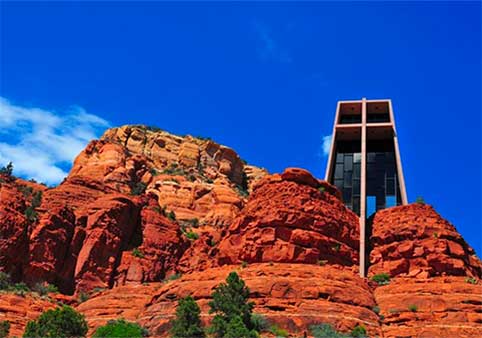
The red rock landscape is the reason most people come to Sedona. Sandstone formations rise above nearly every part of the community, creating an unusual combination of desert scenery, forest, and canyon country.
Some of Sedona's best-known formations and scenic areas include:
- Cathedral Rock: One of Sedona's defining landmarks and a favorite for hiking and photography
- Bell Rock: An easily recognizable formation south of Sedona near the Village of Oak Creek
- Courthouse Butte: A massive formation adjacent to Bell Rock with surrounding hiking trails
- Coffee Pot Rock: A distinctive formation visible from West Sedona
- Devil's Bridge: A natural sandstone arch reached by one of Sedona's most popular hikes
- Oak Creek Canyon: A forested canyon north of Sedona with creekside scenery and access to additional recreation
You don't have to complete a difficult hike to appreciate Sedona's geology. Scenic drives, overlooks and shorter trails provide plenty of opportunities to experience the landscape.
Take a Sedona Jeep or Off-Road Tour
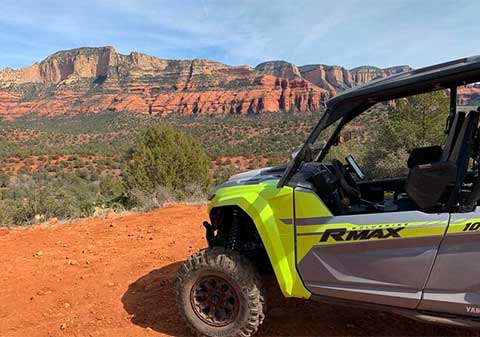
A guided off-road tour is one of the easiest ways to reach rugged areas around Sedona while learning more about the landscape along the way.
Depending on the tour, routes may travel through rocky canyons, historic ranch country, high-desert terrain, and areas that would be difficult for many visitors to reach in an ordinary passenger vehicle.
- Guided Jeep and off-road tours
- Red rock and canyon scenery
- Geology and local-history interpretation
- Photography stops
- Options ranging from relatively gentle sightseeing to rougher backcountry routes
If you're visiting Sedona for only one day, an off-road tour can be particularly useful because it turns several hours into a structured experience rather than requiring you to research routes and trailheads yourself.
Hike Sedona's Trails
Hiking is one of the best ways to experience Sedona, with trails ranging from easy walks to steep climbs and longer wilderness routes.
Popular hiking areas include Bell Rock, Cathedral Rock, Boynton Canyon, Soldier Pass, West Fork of Oak Creek and the trails around Airport Mesa.
Choose a trail based on your actual hiking ability, available time and the day's weather. Sedona's elevation changes, exposed rock and summer temperatures can make a relatively short trail more demanding than its mileage suggests.
Parking at popular Sedona trailheads can fill early. Shuttle systems may serve some trailheads and recreation areas or have access restrictions. Check current trailhead, shuttle and parking information before leaving Prescott.
Visit Sedona's Vortex Sites
Sedona has developed an international reputation as a destination for spirituality, meditation and wellness. Central to that reputation are places commonly described as vortex sites.
Popular locations associated with Sedona's vortex tradition include:
- Airport Mesa
- Bell Rock
- Cathedral Rock
- Boynton Canyon
Some visitors describe these places in terms of energy, healing, or spiritual awareness. Others appreciate them as beautiful locations for meditation, reflection, and time outdoors.
Guided vortex experiences are available for travelers who want to learn more about the beliefs and practices associated with Sedona's spiritual community.
Visit Red Rock Crossing
Red Rock Crossing is one of Sedona's classic scenic areas, offering views of Cathedral Rock beyond Oak Creek. The combination of water, cottonwood trees, and sandstone makes it particularly popular with photographers.
It's also a good choice for travelers who want a scenic Sedona experience without committing to a strenuous hike.
Conditions along Oak Creek change with weather and seasonal water levels, so treat the creek as a natural environment rather than a controlled swimming facility.
Explore Tlaquepaque Arts & Shopping Village
Tlaquepaque is one of Sedona's most recognizable shopping and dining destinations. Its courtyards, fountains, archways, and landscaped walkways create a setting that's worth exploring even if shopping isn't the main reason for your visit.
Visitors will find a mix of:
- Art galleries
- Jewelry
- Specialty shops
- Restaurants and cafes
- Fine art and handcrafted goods
Tlaquepaque works particularly well between outdoor activities or as an afternoon stop after a morning hike.
Walk Through Uptown Sedona
Uptown is Sedona's busiest visitor district, with restaurants, shops, galleries and tour businesses concentrated along State Route 89A.
It's a convenient place for first-time visitors to get oriented, browse shops, have lunch or connect with a scheduled tour. It can also become crowded, so visitors primarily interested in hiking and scenery don't necessarily need to spend a large portion of their day here.
Relax at a Sedona Spa
Sedona's wellness culture extends well beyond its vortex reputation. Resorts, spas and independent practitioners offer treatments ranging from traditional massage and facials to wellness experiences influenced by the area's spiritual community.
A spa can be a welcome counterweight to a hiking-heavy itinerary, particularly if you're spending more than one day in Sedona.
See Sedona from the Air
Helicopter and fixed-wing sightseeing flights provide an entirely different perspective on Sedona's geography. From above, the relationship between the red rock formations, canyons, mesas and surrounding forest becomes much easier to understand.
Flight routes, duration and operating conditions vary, and weather can affect departures. Reserve ahead during busy travel periods and confirm the operator's current policies before your trip.
Prescott to Sedona
Sedona is roughly 65 to 70 miles from Prescott, depending on the route. Driving time is typically around an hour and a half under favorable conditions, but traffic can add considerably more time.
There are two useful ways to approach the trip.
Faster Route
The more direct route generally travels east from Prescott toward Interstate 17 before approaching Sedona from the south on State Route 179.
This is usually the better choice when maximizing your time in Sedona is the priority.
Scenic Route Through Jerome
For a more scenic road trip, State Route 89A crosses Mingus Mountain and passes through Jerome before descending into the Verde Valley.
From there, you can continue through Cottonwood toward Sedona. The route takes you through dramatically changing landscapes, but the mountain section is winding and should not be rushed.
If you want to explore Jerome or Cottonwood along the way, consider turning the journey into a longer day trip from Prescott rather than treating those communities as five-minute roadside stops.
How to Plan a Sedona Day Trip from Prescott
A good day trip doesn't require checking ten attractions off a list. Sedona rewards a slower approach.
Sample Sedona Day Trip
- Early morning: Leave Prescott before traffic builds.
- Morning: Hike one trail or take a guided off-road adventure.
- Lunch: Eat in Uptown, West Sedona, Tlaquepaque or the Village of Oak Creek.
- Early afternoon: Explore galleries, shops or a scenic area.
- Late afternoon: Visit an overlook, Red Rock Crossing or another scenic location.
- Evening: Have dinner before returning to Prescott or begin the drive back before dark.
If you're hiking, don't build the itinerary around an exact trail completion time. Parking, trail conditions, photography stops, and crowds can all stretch the day.
When Is the Best Time to Visit Sedona?
Sedona can be visited throughout the year, but every season feels different.
- Spring: Comfortable hiking weather and one of the busiest periods of the year.
- Summer: Hotter days make early-morning outdoor activities preferable. Afternoon monsoon thunderstorms can affect hiking and driving.
- Fall: Excellent hiking weather and another popular travel season.
- Winter: Cooler temperatures and potentially fewer visitors, with occasional snow creating spectacular red-rock scenery.
Weather also varies with elevation. Conditions in Prescott, Sedona, and Oak Creek Canyon can differ on the same day, particularly during winter.
Should You Visit Sedona for a Day or Stay Overnight?
A day trip from Prescott works well if you choose one or two priorities. You can comfortably combine a hike or tour with lunch, sightseeing, and some shopping before returning to Prescott.
Stay overnight if you want to:
- Complete several hikes
- Take both an outdoor tour and a wellness experience
- Explore Oak Creek Canyon
- Spend substantial time shopping or visiting galleries
- Photograph sunrise and sunset
- Enjoy dinner without worrying about the drive back to Prescott
For a first-time visitor with two days available, an overnight stay usually produces a much more relaxed Sedona experience.
Sedona can become extremely busy during popular weekends, holidays, and spring and fall travel periods. Check current road conditions, trail access, parking and shuttle information before leaving Prescott, and avoid creating an itinerary that depends on everything running exactly on schedule.
Sedona FAQ
How far is Sedona from Prescott?
Sedona is roughly 65 to 70 miles from Prescott, depending on the route. Under normal conditions, travelers should plan on approximately an hour and a half of driving each way, with additional time possible during busy traffic periods.
Can you take a day trip from Prescott to Sedona?
Yes. Sedona is close enough to Prescott for a full-day trip. Leaving early gives you enough time for a hike or tour, lunch and additional sightseeing before returning to Prescott.
What is Sedona best known for?
Sedona is best known for its red rock formations, hiking trails, outdoor recreation, art galleries, wellness experiences, and sites associated with the area's vortex traditions.
What should a first-time visitor do in Sedona?
For a first visit, combine one outdoor experience with time exploring the community. A morning hike or off-road tour followed by lunch, Tlaquepaque or Uptown, and a scenic overlook provides a good introduction without trying to see everything in one day.
Is Sedona worth visiting if you don't hike?
Yes. Scenic drives, off-road tours, galleries, shopping, restaurants, spas, vortex experiences, and sightseeing flights provide plenty of ways to experience Sedona without a strenuous hike.
Is the drive from Prescott to Sedona scenic?
Yes, particularly if you take State Route 89A over Mingus Mountain through Jerome and the Verde Valley. The route is winding, so travelers uncomfortable with mountain roads may prefer the more direct route toward Interstate 17 and State Route 179.
How many days should you spend in Sedona?
One day is enough for a highlights trip from Prescott, while two or three days provide more time for hiking, tours, galleries, wellness activities and exploring Oak Creek Canyon without rushing.