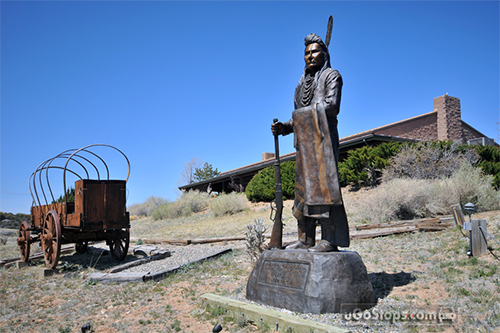
The Museum of Indigenous People in Prescott offers visitors an opportunity to learn about the art, cultures and histories of Indigenous peoples of the Southwest. Its collections include pottery, basketry, textiles, jewelry, artwork and other cultural objects, supported by exhibitions and educational programming that help place those objects in a broader cultural context.
Travelers may still see the museum referred to as the Smoki Museum in older guidebooks, maps and online references. That was the institution's former name. Today, it operates as the Museum of Indigenous People.
The Museum of Indigenous People provides an important perspective within Prescott's larger history and museum landscape. Visitors can combine it with Sharlot Hall Museum, Phippen Museum and Fort Whipple to explore different parts of the region's story.
Visitors interested in Indigenous art, Southwestern cultures, archaeology and a broader understanding of the people whose histories in this region extend far beyond Prescott's territorial era.
What You'll See at the Museum of Indigenous People
The museum's collections and exhibitions focus on Indigenous peoples of the Southwest and related cultural traditions.
Depending on the current exhibitions, visitors may see:
- Pottery and ceramics
- Basketry
- Textiles and weaving
- Jewelry and personal adornment
- Paintings and other artwork
- Historic and contemporary cultural objects
- Archaeological materials
- Changing exhibitions and educational displays
Rather than treating these objects simply as decoration, take time to read the interpretive material. The meaning of an object, the people who created it and the cultural traditions associated with it are often more important than its appearance alone.
Why Visit the Museum?
Prescott's visitor story is often dominated by Whiskey Row, territorial government, mining and cowboy history. Those subjects are important, but they represent only part of the region's past.
Indigenous communities have deep connections to central and northern Arizona that long predate the establishment of Prescott in 1864. Visiting the Museum of Indigenous People adds essential context to the broader history of the region.
This makes the museum a particularly valuable companion to Sharlot Hall Museum and the Phippen Museum. Together, the three institutions provide very different perspectives on Prescott and the Southwest.
See our Prescott museums and art galleries guide if you'd like to compare them.
The Former Smoki Museum Name
The institution was formerly known as the Smoki Museum. The current name, Museum of Indigenous People, better reflects its mission and the cultures represented in its collections and programming.
Because the former name was used for decades, visitors may still encounter references to "Smoki Museum" in older travel materials or online listings.
If you are searching for the old Smoki Museum in Prescott, you have found the correct place: it is now the Museum of Indigenous People.
Explore More Prescott Museums & History
- Sharlot Hall Museum: Prescott and Arizona territorial history.
- Phippen Museum: Western art, ranching and cowboy heritage.
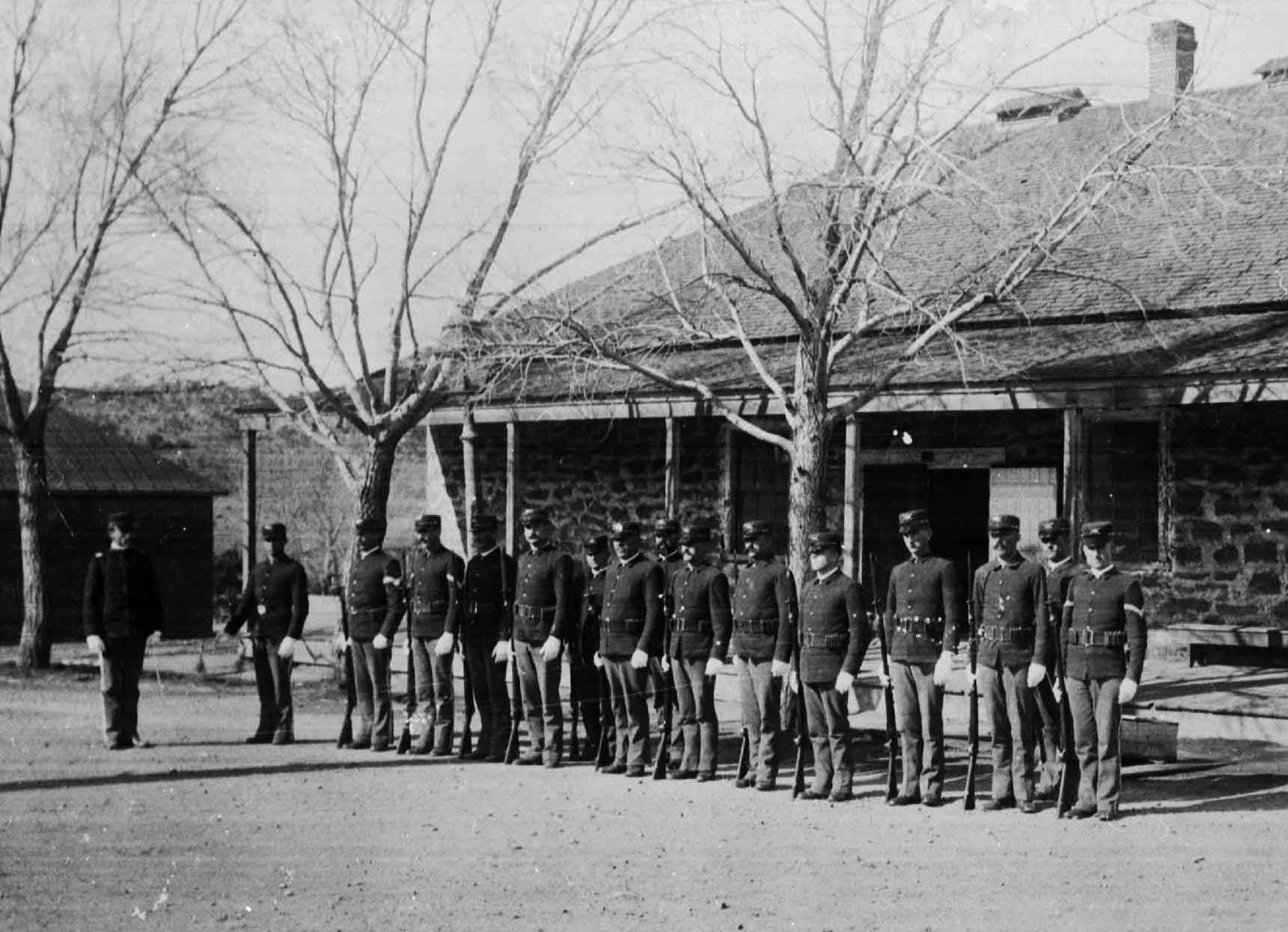
- Fort Whipple: Military and veterans' history.
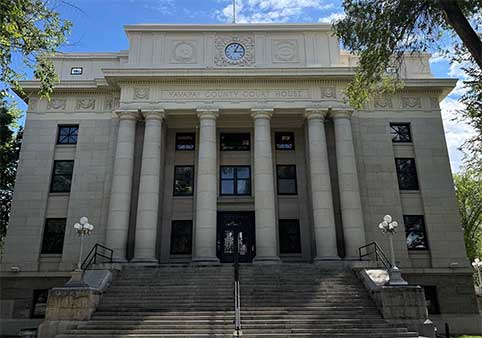
- Courthouse Plaza: Explore Prescott's historic civic center.
See our Prescott museums and art galleries guide to compare cultural attractions throughout the city.
The Prescott museum formerly known as the Smoki Museum now operates as the Museum of Indigenous People at the same general Prescott location.
Planning Your Visit
Location
Museum of Indigenous People
147 N. Arizona Avenue
Prescott, AZ 86301
The museum is located close to central Prescott, making it easy to combine with other cultural attractions, downtown sightseeing and lunch or dinner.
How Long Should You Spend?
For most visitors, allow approximately one to two hours. Travelers with a strong interest in Indigenous art, archaeology or Southwestern history may want additional time.
Hours & Admission
Museum hours, admission prices and holiday schedules can change. Check current visitor information directly with the museum before making a special trip.
This is especially important if you're visiting during a holiday, planning around a temporary exhibition or hoping to attend a special program.
Is the Museum Good for Families?
Yes, particularly for families with children interested in art, history, archaeology and cultures of the Southwest.
Parents can make the visit more engaging by encouraging children to look for differences in materials, patterns, techniques and uses among pottery, baskets, textiles and other objects.
As with any cultural museum, younger visitors will usually get more from a shorter, focused visit than from trying to examine every case in the building.
For additional ideas, see our family-friendly things to do in Prescott.
Combine the Museum with Other Prescott History
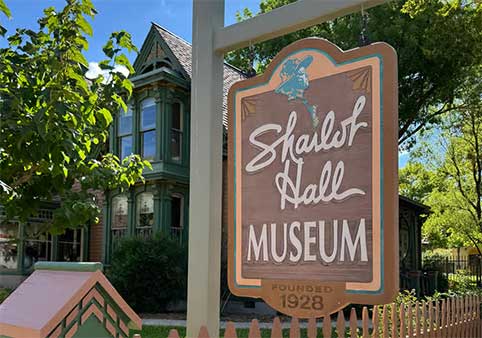
Sharlot Hall Museum
Visit Sharlot Hall Museum for Prescott's territorial history, historic buildings and the development of Arizona Territory.
Pairing the two museums creates a more complete picture of the region than visiting either one alone.
Phippen Museum
The Phippen Museum focuses on Western art, ranching, cowboy culture and the artistic traditions of the American West.
It makes a useful third stop for visitors spending a full day exploring Prescott's museums.
Historic Downtown & Whiskey Row
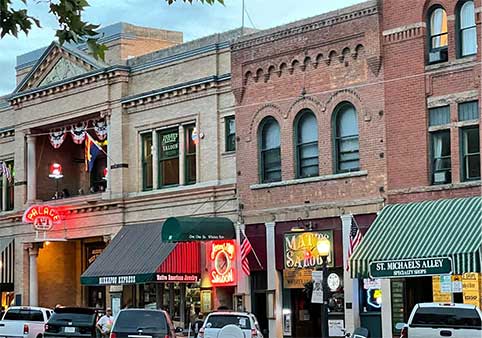
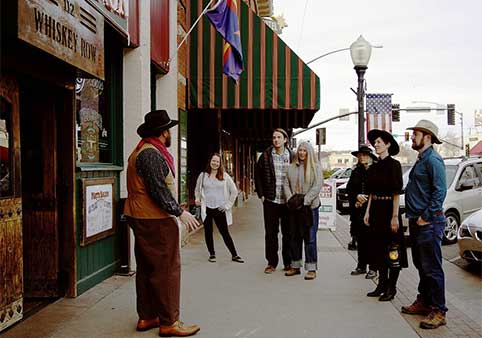
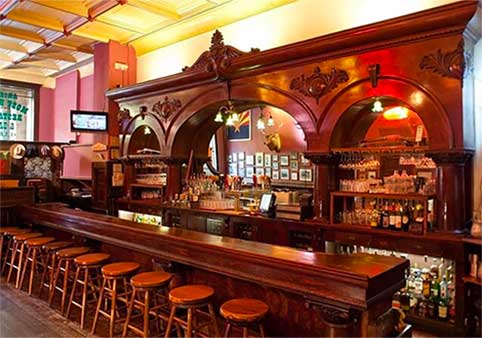
After the museum, head toward downtown Prescott to walk Courthouse Plaza and Whiskey Row.
Doing so provides a useful contrast between the region's much older Indigenous history and the territorial-era streetscape that became central to modern Prescott.
A Simple Prescott Museum Day
If history and culture are a major part of your trip, you can build an easy day around several Prescott museums.
- Morning: Visit the Museum of Indigenous People.
- Late morning or lunch: Head toward downtown Prescott.
- Afternoon: Explore Sharlot Hall Museum and Courthouse Plaza.
- Late afternoon: Walk Whiskey Row or browse downtown galleries.
If you have another day, add the Phippen Museum on the north side of Prescott.
Special Programs & Events
The Museum of Indigenous People presents educational programs, exhibitions and cultural events during the year.
Programming can change, so check the museum's current schedule if a particular exhibition, lecture, market or cultural event is part of your reason for visiting.
You can also check the Prescott events calendar for other cultural events taking place during your stay.
Respectful Museum Visiting
The objects displayed in an Indigenous museum can have cultural, spiritual or community significance beyond their artistic value.
Follow museum photography rules, respect barriers and interpretive guidance, and avoid assuming that one exhibit represents all Indigenous peoples or traditions.
Terms such as "Native American," "American Indian" and "Indigenous" may appear in different historical or institutional contexts, but specific tribal or community names are generally preferable when the museum identifies them.
More Cultural Attractions in Prescott
Visitors interested in Prescott's history and creative community can continue with:
- Sharlot Hall Museum
- Phippen Museum
- Fort Whipple Museum
- Downtown Prescott art galleries
- Courthouse Plaza
- Whiskey Row
Explore our Prescott museums and art galleries, Prescott history and Prescott attractions guides for more ideas.
Hours, admission, exhibitions and special-program schedules can change. Confirm current visitor information directly with the Museum of Indigenous People before your trip.
Museum of Indigenous People FAQ
Is the Smoki Museum still open?
Yes, but the institution now operates under the name Museum of Indigenous People. Travelers may still encounter the former Smoki Museum name in older guidebooks and online references.
Where is the Museum of Indigenous People?
The museum is located at 147 N. Arizona Avenue in Prescott, Arizona, close to the city's central historic district.
What can you see at the Museum of Indigenous People?
Collections and exhibitions include Indigenous pottery, basketry, textiles, jewelry, artwork, archaeological materials and other cultural objects related primarily to peoples of the Southwest.
How long does it take to visit the museum?
Most visitors should allow about one to two hours, although people with a strong interest in Indigenous cultures, archaeology or Southwestern art may want additional time.
Is the Museum of Indigenous People good for families?
Yes. The museum can be a useful family attraction for children interested in art, history and archaeology, particularly when adults help younger visitors engage with the stories and cultural context behind the objects.
What is the best Prescott museum for Indigenous history and art?
The Museum of Indigenous People is the strongest Prescott museum for visitors specifically interested in Indigenous art, cultural objects and the peoples of the Southwest.
Can you visit several Prescott museums in one day?
Yes. The Museum of Indigenous People and Sharlot Hall Museum can be combined relatively easily with downtown Prescott. The Phippen Museum is farther north and is better added if you have enough time for a full museum day.